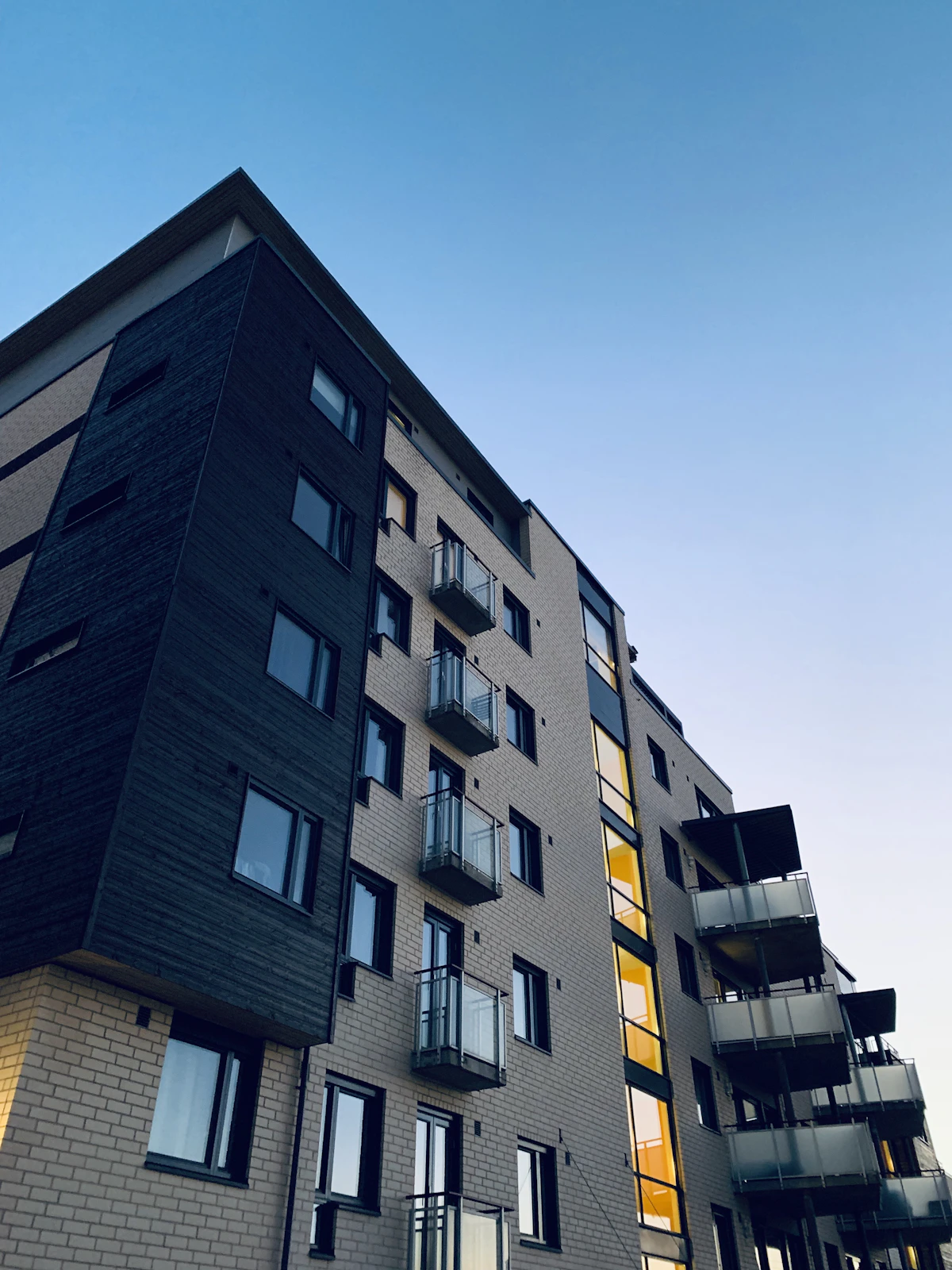
Shop and Showroom Rental Guide: Finding the Perfect Commercial Space for Your Business Success

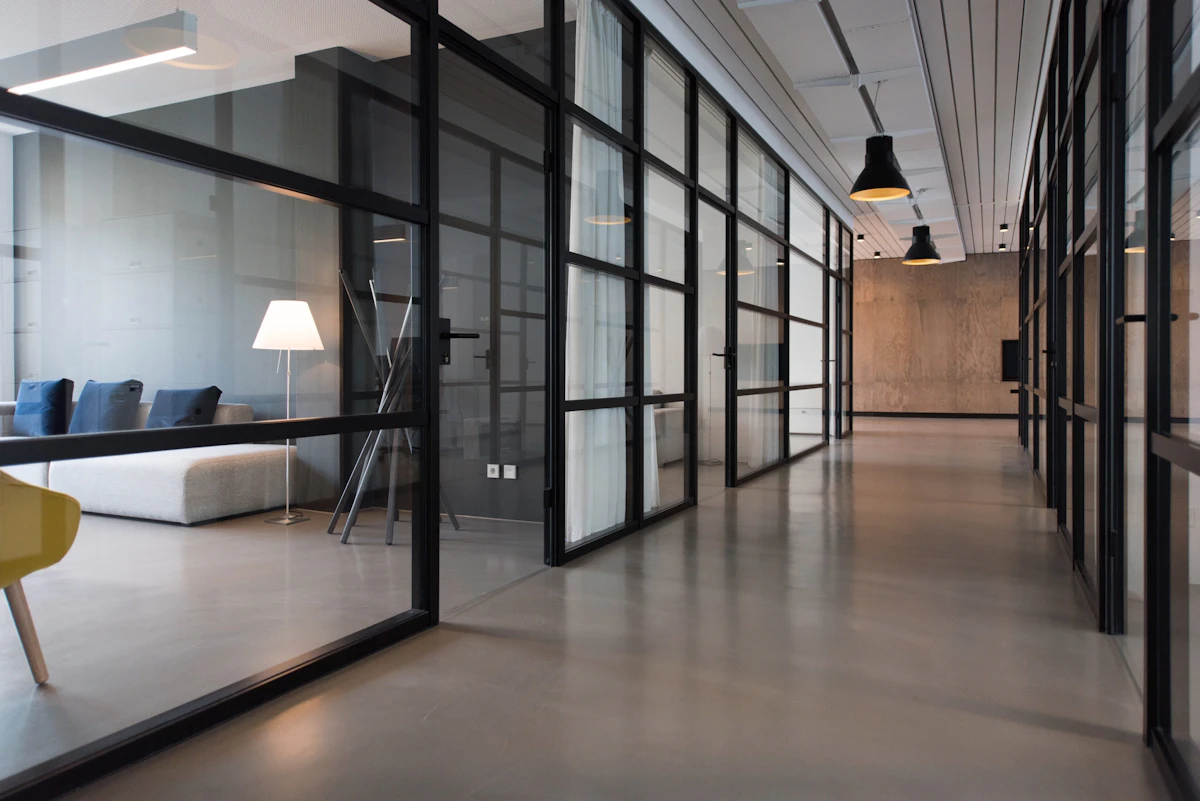
Introduction to Shop and Showroom Rentals
Renting a shop or showroom represents a critical business decision that directly impacts your brand visibility, customer accessibility, and operational efficiency. Whether you're launching a new retail venture, expanding an existing business, or relocating for better opportunities, selecting the right commercial space requires strategic planning and informed decision-making. This comprehensive guide provides essential insights for navigating the commercial rental market effectively.
Understanding Shop vs. Showroom Spaces
Key differences between retail formats:
- Retail Shops: Designed for direct customer sales with display and storage areas
- Showrooms: Primarily for product display and customer experience, often with limited immediate sales
- Mixed-Use Spaces: Combining retail frontage with back-office or storage functions
- Boutique Stores: Smaller, specialized retail environments with curated selections
- Flagship Locations: Premium spaces for brand representation and customer engagement
- Pop-Up Spaces: Temporary rentals for seasonal or promotional retail activities
Location Analysis for Retail Success
Critical factors in choosing retail locations:
- Foot Traffic Patterns: Pedestrian volume and flow throughout the day
- Vehicle Accessibility: Parking availability and road visibility
- Competitive Landscape: Proximity to complementary vs. competing businesses
- Demographic Match: Alignment between area residents and target customers
- Infrastructure Quality: Sidewalk conditions, street lighting, and public amenities
- Future Development: Planned area improvements that could increase or decrease value
Budget Planning for Commercial Rentals
Financial considerations for shop/showroom rentals:
- Rental Rates: Cost per square foot and total monthly expenses
- Common Area Maintenance: Additional charges for shared spaces and services
- Utility Costs: Electricity, water, heating, and internet expenses
- Insurance Requirements: Commercial property and liability coverage
- Security Deposits: Typically 3-6 months of rent as security
- Renovation Budget: Funds for customization, fixtures, and branding elements
Space Requirements Assessment
Evaluating your specific business needs:
- Sales Area: Customer-facing space for product display and transactions
- Storage Capacity: Backroom or basement space for inventory management
- Customer Flow: Layout considerations for comfortable browsing and checkout
- Window Display: Frontage space for visual merchandising and brand presentation
- Employee Areas: Space for staff facilities, breaks, and administrative functions
- Delivery Access: Loading areas and receiving capabilities for shipments
Search Strategies for Retail Spaces
Effective approaches to finding commercial properties:
- Commercial Real Estate Agents: Specialists in retail property leasing
- Online Commercial Platforms: Dedicated websites for business property searches
- Direct Landlord Contact: Approaching shopping center management directly
- Business Networking: Industry connections and peer recommendations
- Drive-Through Surveys: Physical exploration of target neighborhoods
- Market Timing: Understanding seasonal availability and negotiation opportunities
Lease Negotiation Essentials
Key elements to negotiate in commercial leases:
- Rental Terms: Base rent, escalations, and percentage rent arrangements
- Lease Duration: Initial term length and renewal options
- Improvement Allowances: Landlord contributions for build-outs and renovations
- Operating Expenses: Clear definitions and caps on variable costs
- Exclusivity Clauses: Protection against direct competitors in same complex
- Assignment Rights: Flexibility to transfer lease if selling the business
Legal and Regulatory Compliance
Important considerations for retail operations:
- Zoning Regulations: Permitted uses and business activity restrictions
- Building Codes: Compliance with fire, safety, and accessibility requirements
- Signage Regulations: Rules governing exterior signs and window displays
- Business Licenses: Required permits for retail operations in the jurisdiction
- Health Department Requirements: Standards for specific retail categories
- ADA Compliance: Accessibility standards for customers with disabilities
Space Design and Layout Optimization
Maximizing retail space effectiveness:
- Customer Journey Planning: Strategic flow from entry to checkout
- Visual Merchandising: Display strategies to maximize product visibility
- Lighting Design: Combination of ambient, accent, and task lighting
- Flexible Fixtures: Modular display systems adaptable to seasonal changes
- Technology Integration: POS systems, security, and digital displays
- Brand Consistency: Design elements reinforcing business identity
Marketing Advantages of Location
Leveraging your space for business promotion:
- Window Display Opportunities: Street-facing visibility for brand awareness
- Neighborhood Integration: Participating in local events and promotions
- Co-Marketing Potential: Collaborations with neighboring businesses
- Parking Availability: Customer convenience as a competitive advantage
- Public Transportation Access: Expanding customer reach through connectivity
- Visibility Factors: Corner locations, signage visibility, and building prominence
Shopping Center vs. Standalone Locations
Comparing different retail settings:
- Shopping Centers: Built-in foot traffic but higher costs and restrictions
- High Street Locations: Prime visibility but intense competition
- Neighborhood Plazas: Community focus with loyal local customer bases
- Mixed-Use Developments: Combined residential and commercial traffic
- Destination Locations: Specialized areas drawing specific customer types
- Revitalization Districts: Emerging areas with growth potential and incentives
Customer Experience Considerations
Designing spaces that enhance shopping experiences:
- Comfort Factors: Temperature control, seating areas, and amenities
- Accessibility Features: Easy navigation for all customer demographics
- Interactive Elements: Touchpoints that engage and educate customers
- Service Areas: Designated spaces for consultations and customer support
- Technology Integration: Digital tools enhancing the shopping journey
- Atmosphere Creation: Music, scent, and aesthetic elements shaping mood
Operational Infrastructure Needs
Essential systems for retail operations:
- Electrical Capacity: Adequate power for lighting, equipment, and technology
- HVAC Systems: Proper heating and cooling for customer comfort
- Plumbing Requirements: Restroom facilities and any specialty needs
- Internet Connectivity: Reliable service for transactions and operations
- Security Systems: Surveillance, alarms, and inventory protection
- Waste Management: Recycling and disposal arrangements
Renovation and Customization Planning
Transforming rented spaces into branded environments:
- Landlord Approvals: Required permissions for structural modifications
- Timeline Management: Coordinating renovations with business launch
- Budget Control: Managing costs for fixtures, finishes, and labor
- Contractor Selection: Choosing reliable professionals for retail-specific work
- Code Compliance: Ensuring all modifications meet regulatory standards
- Brand Implementation: Incorporating identity elements throughout the space
Risk Management for Retail Tenants
Protecting your business investment:
- Insurance Coverage: Comprehensive commercial policies for retail operations
- Lease Review: Legal analysis of obligations and protections
- Market Analysis: Understanding area stability and economic trends
- Exit Strategy Planning: Contingencies for business changes or closures
- Competition Monitoring: Staying aware of market shifts and new entrants
- Customer Feedback Systems: Early detection of location-related issues
Technology in Modern Retail Spaces
Digital integration for competitive advantage:
- POS Systems: Efficient transaction processing and inventory management
- Digital Signage: Dynamic displays for promotions and information
- Customer Wi-Fi: Internet access enhancing shopping experiences
- Security Technology: Advanced systems for loss prevention
- Inventory Management: Automated systems for stock control
- Customer Analytics: Data collection for personalized marketing
Sustainability in Retail Operations
Environmental considerations for modern businesses:
- Energy Efficiency: LED lighting and efficient HVAC systems
- Sustainable Materials: Eco-friendly finishes and display elements
- Waste Reduction: Recycling programs and packaging strategies
- Green Certifications: Pursuing recognition for sustainable practices
- Local Sourcing: Supporting community suppliers and producers
- Transportation Considerations: Promoting alternative customer travel options
Seasonal and Temporary Opportunities
Flexible retail arrangements worth considering:
- Pop-Up Shops: Short-term rentals for product launches or holidays
- Seasonal Leases: Temporary spaces for holiday or tourist seasons
- Market Stalls: Lower-cost options in organized market environments
- Shared Retail Spaces: Co-retailing arrangements with complementary businesses
- Mobile Extensions: Temporary expansions during peak periods
- Event-Based Retail: Participation in trade shows and community events
Growth and Expansion Planning
Considering future business development:
- Expansion Rights: Options to take adjacent space as business grows
- Multiple Location Strategy: Planning for additional retail sites
- Format Evolution: Adapting space use as business models change
- Online Integration: Blending physical and digital retail experiences
- Brand Evolution: Space flexibility for changing brand presentations
- Portfolio Development: Strategic approach to multiple retail locations
Conclusion: Building Retail Success
Choosing and securing the right shop or showroom space represents a foundational business decision that influences everything from daily operations to long-term growth potential. By approaching the rental process with careful research, clear objectives, and strategic planning, you position your retail business for visibility, accessibility, and profitability in today's competitive marketplace.
Explore Available Retail Spaces
Ready to find your ideal shop or showroom? Below you'll discover listings of available retail spaces for rent in your area, along with commercial real estate professionals who can help match your specific business requirements with suitable commercial properties.